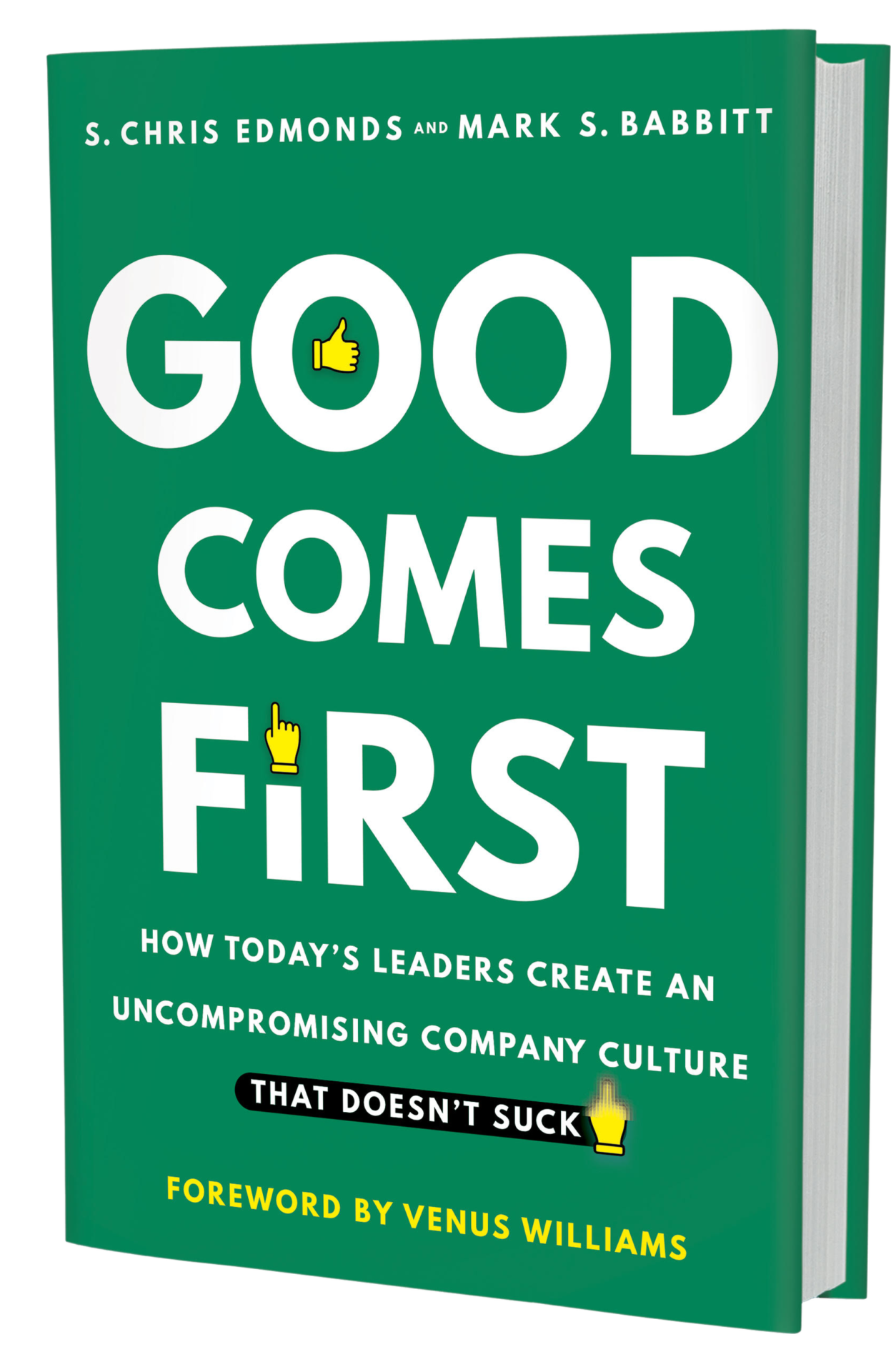


Get Chris’ latest book with Mark S. Babbitt,
Amazon bestseller Good Comes First!
As Seen In









Chris' approach to improving your workplace culture
Chris' approach to improving your workplace culture
Employees—of all generations—desire and deserve workplaces where they are respected and validated for their ideas, efforts, and contributions, every day.
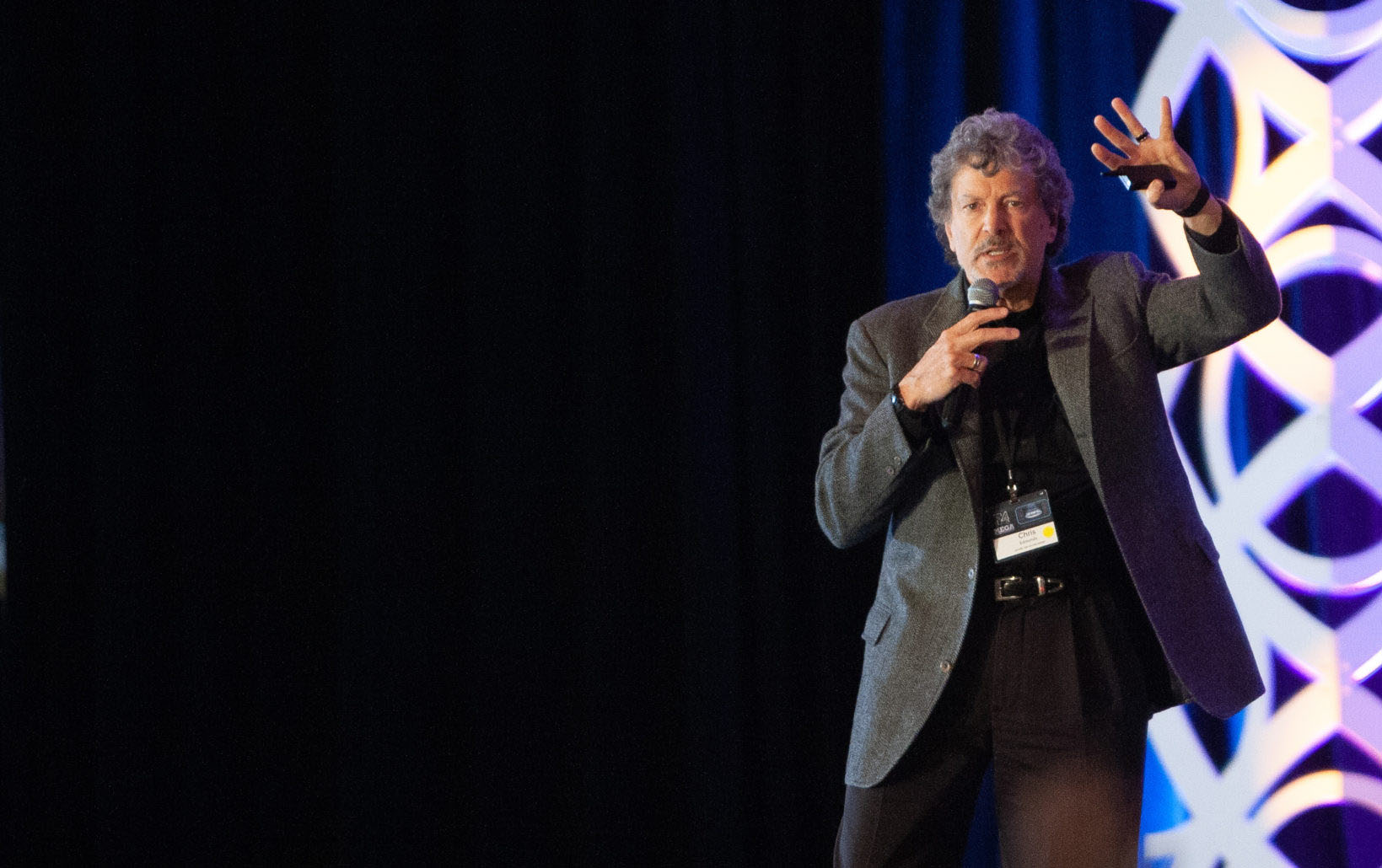
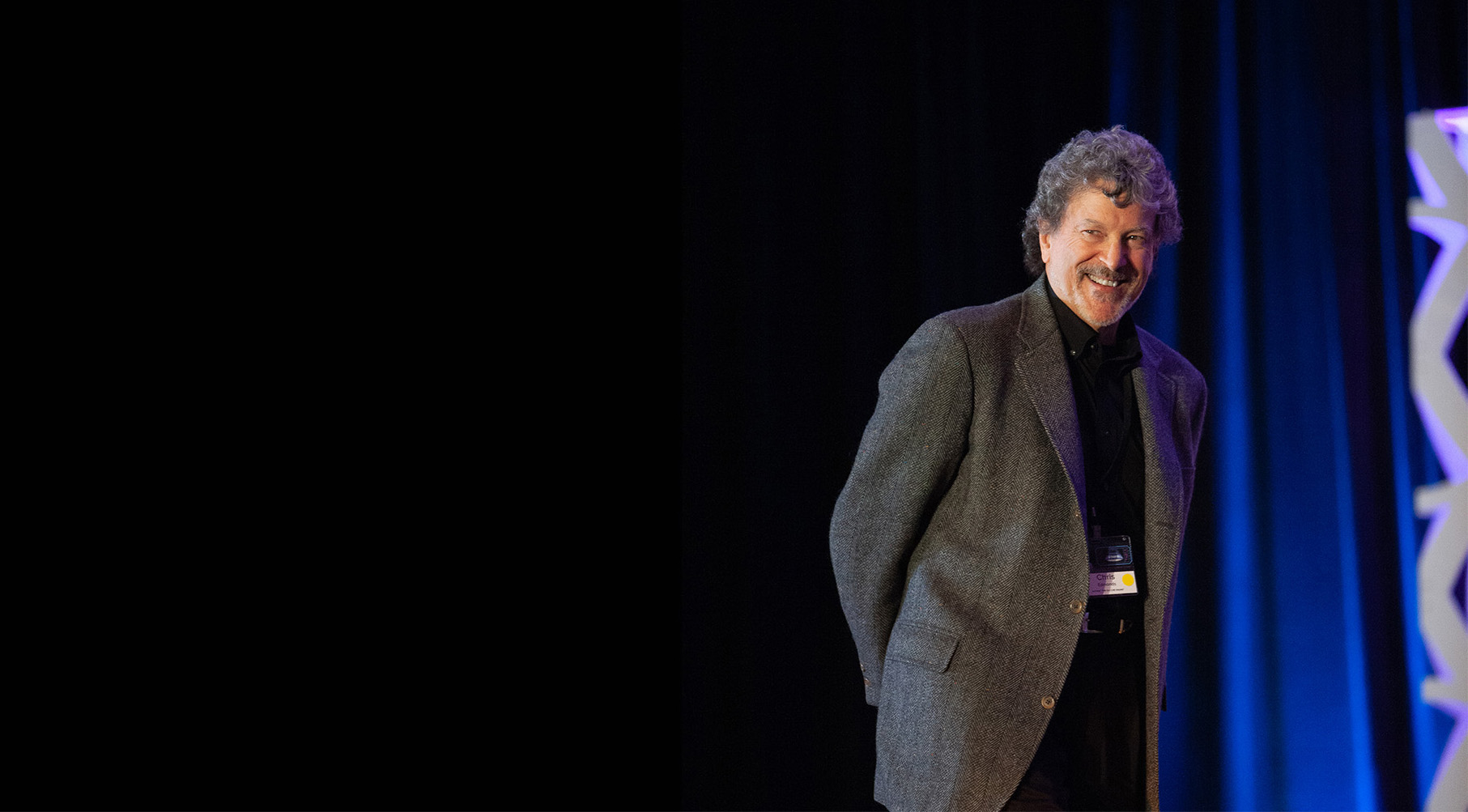
S. Chris Edmonds is a recognized authority on organizational culture, values alignment, and leadership accountability. As Founder and CEO of The Purposeful Culture Group, he helps leaders intentionally shape workplace cultures that deliver measurable results while fostering measurable respect.
With more than three decades of experience advising senior leaders across industries, Chris and his team equip senior leaders with practical, research-backed frameworks that transform culture into a true competitive advantage.
Chris’ proven three-step process helps leaders bring their Organizational Constitution to life:
Define
Chris and his team guide senior leaders to specify their organization's servant purpose (how what their company does serves their communities), shared values, measurable valued behaviors, strategies, and goals. These elements formalize their company's ideal workplace culture, where respect is as important as results.
Align
Chris and his team coach senior leaders to model and champion the servant purpose, values, and valued behaviors contained in every interaction. To check values alignment, every formal leader is rated by their team members on the degree to which they model the organization's valued behaviors.
Values alignment is celebrated, and values misalignment is coached so that every leader is a role model for the organization's ideal workplace culture.
Refine
Chris and his team direct leaders to pay as much attention to values as they do to results. Leaders must monitor progress, celebrate gains, and redirect misaligned players, plans, decisions, and actions so that every leader and team member is working in alignment with the company's results AND respect expectations.
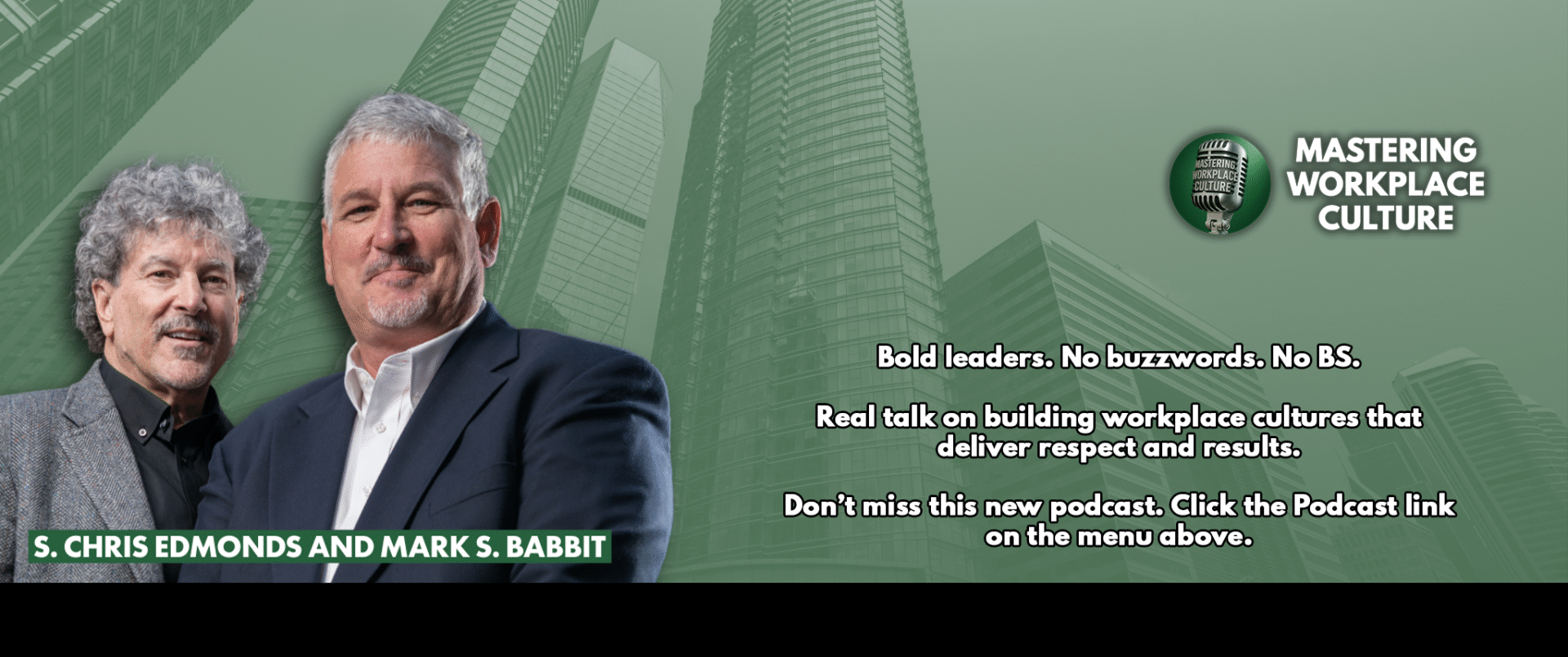
S. Chris Edmonds is a sought-after speaker, bestselling author, highly regarded executive consultant, and CEO and Founder of The Purposeful Culture Group. He’s the author of two Amazon best-sellers: Good Comes First (2021) and The Culture Engine (2014).
Chris has been featured in The Wall Street Journal, BBC News, SmartBrief, People, CNN, Fox31, NBC, Fast Company, and many more. His blog, podcasts, and videos are at MasteringWorkplaceCulture.com and on YouTube.
Chris is a Thinkers360 Master Expert in Culture, Leadership, and Change Management, as well as a Certified Expert in Coaching.
He is also a top 30 organizational culture Global Guru, an Inc. Magazine Top Leadership Speaker, and a featured presenter at South by Southwest.
His research-backed culture refinement process has helped senior leaders around the globe build and sustain workplace cultures where respect is as important as results.
Work with Chris & his team! You'll be In good company.
Richland

Consolidated

Five Below

World Kitchen

Vstarr

Eleven
Eco

Time

Pesco
Mercado

Waste Management

Embrace

Thulium

DHSC
NACM

Petco
GRE HERC Services
BSU
ICHCA
What other leaders are saying
work · place cult · ure [wərkˌplās kel-cher]: 1. the act of
developing the intellectual and moral faculties in a place where people work 2. an investment into greater productivity, better employee retention, and improved attitudes towards growing the company.